Sunday, March 3, 2019

camera flash!

Hi again!
This posting is about the photography component of the project!! Although I very much enjoy taking pictures, I definitely don't have any professional experience. And the experience I have doesn't extend to fashion photography, so for this post, I will be researching fashion photography for beginners, along different tips and tricks on the internet. 

The first resource I found was from the Manfrotto Imagine More site. This site included a post about Kaye Ford's experience with fashion photography and advice for anyone starting out. Ford talks about the importance of lighting and speaks about her own use of a reflector with her professional camera. In the post, she also talks about how this photography can tell a story, especially through the use of props. This is an interesting concept that can be brought into the magazine project. Using props or in general keeping in mind what story is being told. Photography as a whole usually functions for the purpose of telling a story that cannot be told in words. That's why it is often said that a picture is worth a thousand words. I very much like this idea and want to reflect it onto the magazine project. 

The post also talks about posing and composition when working with models. This is something we've partly studied in class when talking about composition in film openings. One of the concepts we've reflected on is the rule of thirds, while applies here as well. The rule of thirds can be helpful because it allows you to focus on a certain area by sticking to these "lines." This may make it easier to photograph for the project. Another area of importance is the clothes themselves, according to Ford. In fashion magazines, there are occasionally close up photos. However, most photographs do focus on the clothing or fashion aspect. So a tip provided was photographing with movement, which I like. This will make the pictures visually interesting.

Image result for rule of thirds with model
from Mastin Labs

Next, I found another article on the Expert Photography site. This article talked about the different types of fashion photography. According to this site, fashion photography is about selling a lifestyle. And within fashion photography, there exist the catalog, editorial, and high fashion categories. I didn't realize there were divisions before so this was very helpful. The article described catalog as more simple and informational, editorial as focused on lifestyle, and high fashion as the big expensive production. According to this, I believe this project will be more involved in catalog photography, possibly mixing with editorial. 

Image result for 3 diff kinds of fashion photography
from Expert Photography

All of this information from these websites has been incredibly helpful in teaching me how I can succeed in this area of photography for the magazine. I"m excited to begin working on composing these shots and pictures. I know that a large component of this is finding the right models as well. During this research I found information on models and posing, so I've decided that I'll most likely be including a future posting that focuses solely on that portion of the project. I'm excited for that research and can't wait to continue working on my magazine.

Saturday, March 2, 2019

magazine software!

I will be researching magazine making software for this posting! This is definitely an essential facet to the project overall as I have never created a magazine before or used any of these software programs. I'll be including links to the websites with information on these programs, as well as describing the pros and cons I find for each.

I looked at the website FlipHTML5, with information on multiple programs. Their most recommended software was their own FlipHTML5 software. It's free to download and includes a page turning effect that facilitates online publishing and producing. According to the site, bookmarks and annotations can be added as well, which are cool features. It can also be published to any website, which is nice. I downloaded the software and tried it out, and one thing I don't really like is that there are many features limited to premium or pro membership, which has to be paid for. The free features provided, while useful, are somewhat basic. 

Image result for FlipHTML5Image result for zinioproImage result for indesign


The website also provided information on Ziniopro, which is an application for magazines. Here magazines can be created and produced according to the site. Other programs mentioned are Mag+ and AnyFlip. These are both used in the real world to create professional and easy to access magazines. After looking at a few of these programs, I decided to look at a how-to website with more tips and tricks on the process itself. All of the information can be somewhat overwhelming without more of a guideline on the process.

The website envatotuts+ provided information on using templates on Envato Elements and GraphicRiver, which both had interesting concepts. I may draw inspiration from those templates to decide the layout of the magazine. In a later posting, I will discuss ideas for the layout and organization of the pages. The website also suggested InDesign, a program for creating a magazine from scratch. The how-to page also gives detailed information on creating a cover and other facets of the magazine, which I may review later to help me with that process.

I did more research and saw a recommendation for MS Publisher. As it turns out, there's an alternative to this program that's free called Lucidpress. I downloaded this program and began to try it out. It's very easy to use and I am definitely considering using it for my magazine. It includes a variety of fonts and is user-friendly. The templates are limited on a free basis, but otherwise, it seems like a good program.


Related image
Image result for lucidpress features

Friday, March 1, 2019

target audience!

Hello everyone! 
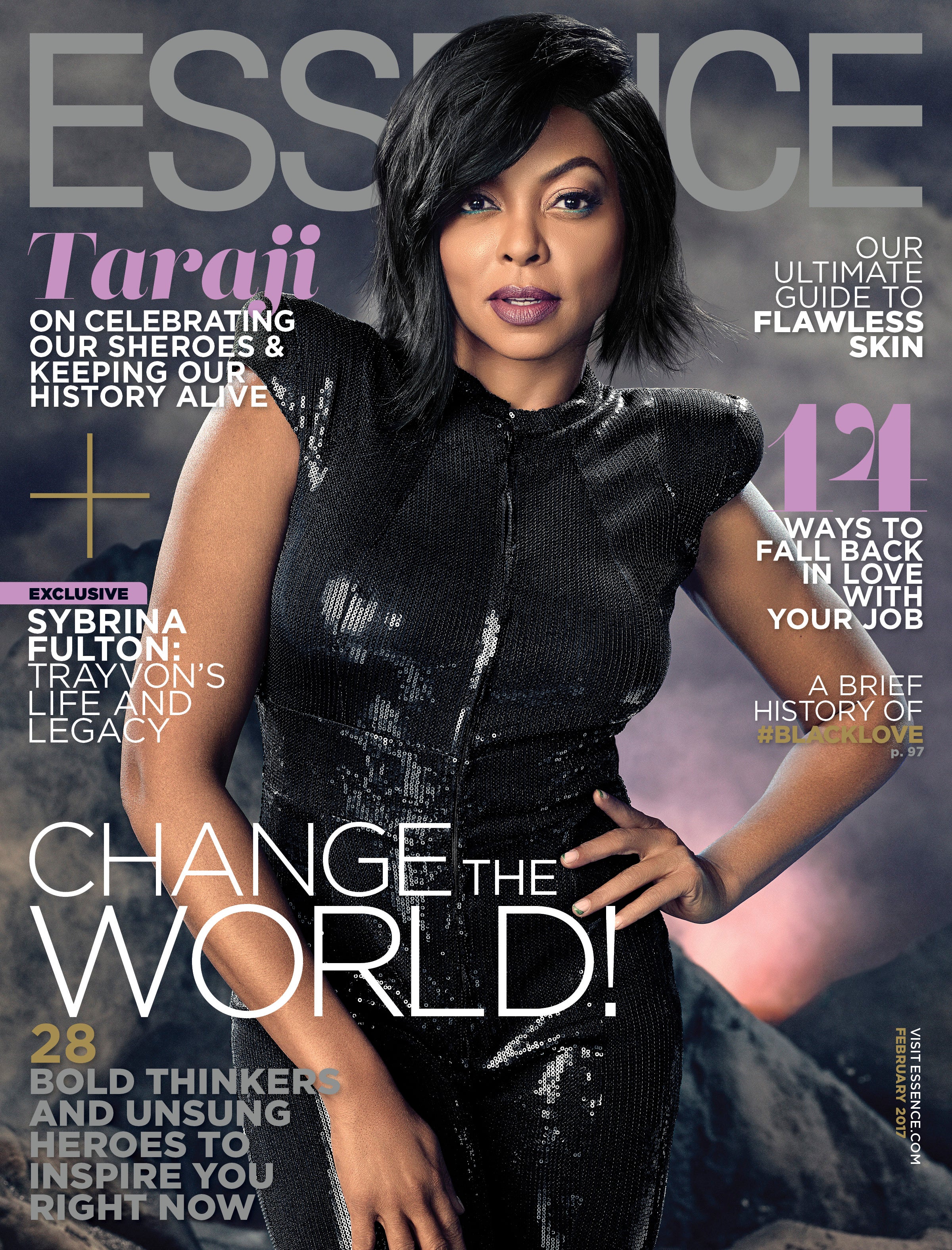
For this posting, I'll be examining the target audience of women's fashion magazines. Although the general gist of the target audience for this genre seemed abundantly clear, after further research I've discovered that this is not true. I read a blogger's perspective on the dynamics of race in fashion magazines, and the results were interesting. The Penn State focused blog talked about how different fashion magazines target different races of women, which I touched on in a previous post about representation. While doing this, these magazines do seem to have a similar age range for their audience. For example, Cosmopolitan targets predominantly white women ages 18-49 while Essence targets predominantly African-American women ages 18-54. However, apart from the difference in race, it appears that the slightly different focus in age also has an effect. The blog came to the conclusion that Cosmopolitan has an average age of 34 for its readers, which explains the differences in content from Essence. The blog read that "Women in their thirties are still developing ideas and figuring out the real world. They want to know about different things in sex life and new careers they can look for." To contrast, the average age for Essence is 42, explaining their focus on lifestyle rather than sex and career. This information was further backed up by research on both magazines and their demographics. 


Image result for essence magazineImage result for cosmopolitan magazine


When focusing further on Cosmopolitan's demographics, which reflect on other demographics in the genre, the statistics demonstrate that 58% of their audience is ages 18-34. 41% of their audience makes over $20,000 as far as Individual Employment Income, while 62% of their audience has also graduated college. These are all important indicators as to who would be reading the magazines we're creating for this project. About 3,000+ of Cosmopolitan readers are attending college/university, while almost 2,000 Vogue readers are. And 10,000+ Cosmopolitan readers are employed, which is also a big factor in regards to written content and advertisements. In regards to parenting, about 8,000+ Cosmo readers are mothers who don't work, while about 5,000+ are mothers who do.

Now all of this information demonstrates that although there is not much gender diversity in this genre, there is a lot of diversity in regards to living conditions such as education, parenthood, and age in general. Through this information, I know that we will have to use different strategies to apply to these different age groups of women. We have to make sure our tactics will work for all of these groups. As we continue planning our magazine we will use this information to make the ad and design decisions.

Thursday, February 28, 2019

what's in a name?

For this posting, I'm going to start considering names for my magazine project. Mrs. Stoklosa informed us as to the importance of a name that's catchy and interesting. But it's also important to have a name that'll be easily recognizable as part of the genre since this is intended to be a new magazine. So, to begin with my research I looked at other magazines within my genre. 


image.pngimage.pngimage.png

There are magazines that seem to be more clearly linked to fashion through names, such as (obviously) Fashion, InStyle and Vanity Fair. However, there are magazines that are more obscure with their titles. Some of these include Lucky, Nylon and No Tofu.

image.pngimage.pngimage.png

Now the question is, what marks this distinction? And what effect does it have on the magazine brand itself? Well, there's an article from Flipboard that advises as to how to best name a magazine. One of the important pieces of advice mentioned is the importance of having a title with a meaning that is funny or eye-catching. However, it is also important to make sure the name does not exclude or offend anyone. This matters because the magazine is hoping to reach a large audience of all kinds of people.

Another suggestion of the article is to utilize figurative language strategies to interest a possible reader. Such as allusion, hyperbole, idioms, onomatopoeia, or puns. One of the strategies that I found interesting was called portmanteau, which is the blending of two words to make one. Another one was malapropism, which is utilizing a word that sounds similar to the one typically used in a phrase. 

Apart from this, the magazine provides the advice of using the tagline of the magazine to further clarify the meaning if it is not immediately clear. And in addition to this, finding a vocabulary that is related to your meaning or paying attention to Latin roots may also be helpful. So based off of this advice, I decided to look for synonyms of fashion words. This was a strategy used by Vogue, as this word is a synonym of fashion relating to the fashion popular at a given time or period. 

As for my own search, some words I found were the following:
From this list, I really liked mode, chic, and craze. Mode has been used before, and chic has been used for a Spanish magazine, but currently doesn't have English connections. 

I also decided to take a look at words in other languages, especially Italian and French since these are two languages with popular involvement and influence in the fashion industry. In Italian, I found the words stile, modello, classe, moda and alta moda or alla moda. In French, I found the words mode, stylisme, à la mode, and sens de la mode.

Overall, this research has been very helpful and I believe that from all of these words I'll be able to find a fitting title for the magazine. I am very interested especially in the Italian words that I found. 

Sunday, February 24, 2019

representation in fashion!

So my partner and I discussed our options for genres and we've decided we're going to make a fashion magazine! For this posting, I'll be looking more into representation in fashion magazines. Specifically, women's fashion magazines, as this is our focus. 

Several of the articles I looked at discussed a lot of issues still existing in the fashion industry with diversity. One of these was an article from The Independent, which described how the most popular international magazines only had people of color on the covers 22% of the time in the last decade. This statistic was gathered by counting issues in the most important month of women's fashion magazines, September. This important month was interesting to find out about. It may even affect our decisions when considering which issues we will be doing for our magazine. We were considering doing issues based on seasons, but we may consider doing monthly issues.
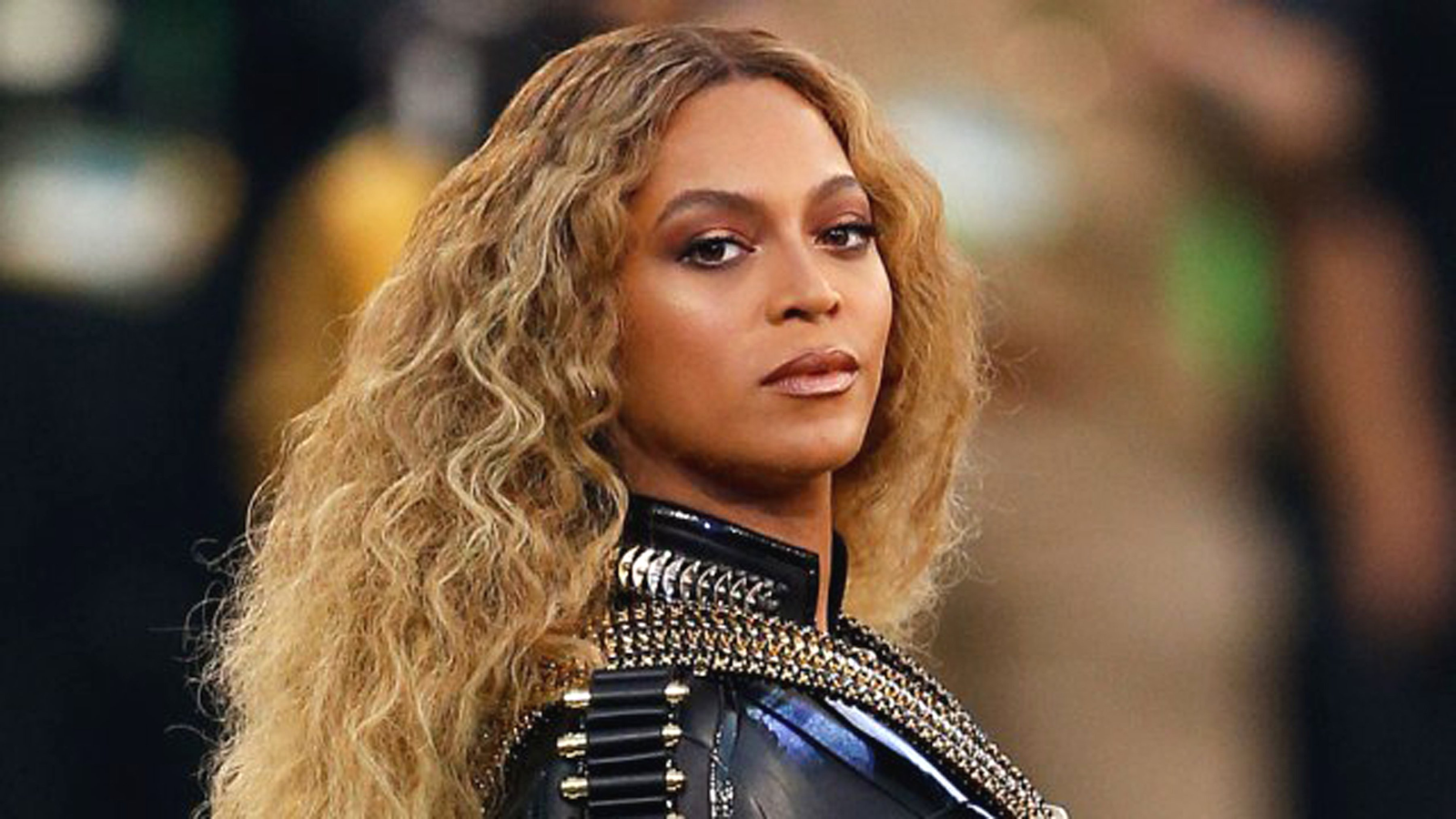
Another statistic on this same article informed me that in the last decade, non-white faces have been on the cover of only one out of every five covers. And when Beyonce was on the September issue of Vogue in 2015 she talked about this issue in representation. When she entered the industry, she was told it would be difficult for her to get on magazine covers because of her race. This is important when considering what models we will photograph for our own fashion magazine. We want to be forward and bring a more diverse selection of models to light.


Image result for diverse fashion magazine covers
Image result for beyonce 2015 vogue
However, there were important strides being made in the fashion magazine industry in 2018 in regards to diversity. For example, The Glowup site provided a statistic on fashion magazines in the United States. In the past five years, they estimated that about 48.4% of covers of important fashion magazines included people of color. There was also a 32.3% increase in people of color on the September issue from 2017 to 2018. However, there is still important work to be done to display more diversity in fashion magazines on the international level. By possibly addressing these strides and issues with diversity in our magazine, we could be taking an interesting perspective on the fashion industry.

Image result for diverse fashion magazine covers


Friday, February 22, 2019

genre research - travel!

Hi again! For this post, I'm going to be looking into the travel genre to see if that's what I may want to pursue for this project. The travel genre interests me because I personally very much enjoy traveling. I also love the idea of travel magazines making any individual place look beautiful and desirable. Travel magazines find beauty in the world in my experience. 

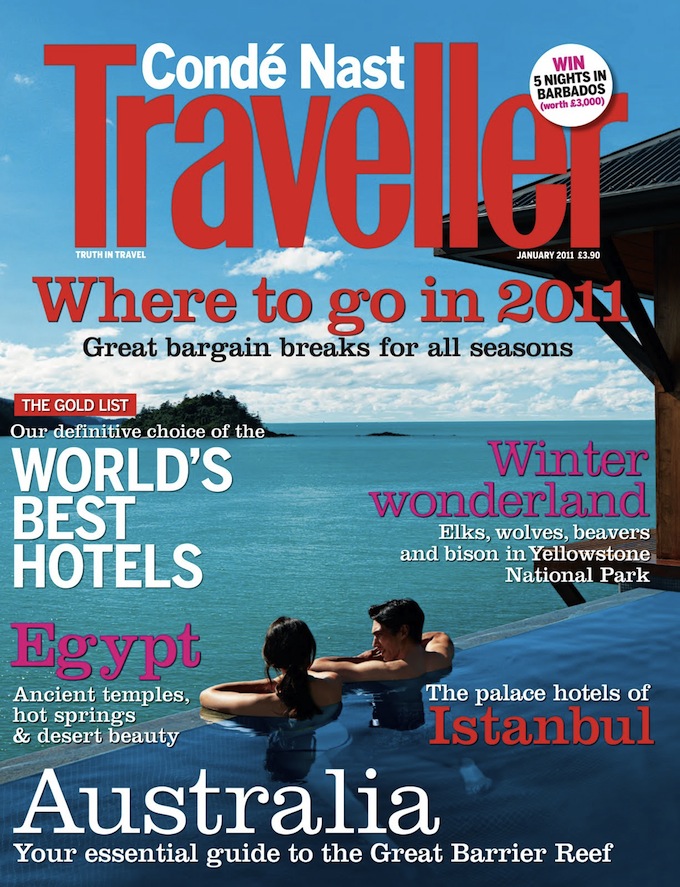
So first, I will be starting with the first part of a magazine. What aspects are common in covers of travel magazines? Well generally the masthead is bold and large to be attractive to the magazine's audience. These magazines are popular in bookstores, so it's important that the masthead grabs the attention of a passerby. Sometimes the mast head will be the location that the magazine is focusing on, which is another way to grab attention. The colors used in fonts and other design aspects usually match the colors of the main image of the cover page. 


When it comes to inside the magazines, travel magazines usually have advertisements from hotels and restaurants in the local area. This is important because in that way the person traveling will get to know the location better. Travel magazines also include a lot of photography of landscapes to display the beauty of each individual place. The magazine may also include pictures of the people in the location being focused on to allow the viewer to get a feel for the place. The color scheme started in the cover page may also be continued throughout the spreads for continuity purposes. The images displayed also usually have bright colors and happy tones to them to make the viewer want to travel there. 


Image result for travel magazinesImage result for travel magazines
Image result for travel magazinesRelated image

These examples of travel magazines also generally feature the location of the travel magazine, which as I mentioned, is important in recognizing where the viewer of the magazine might want to go. These magazines also use lists like other genres of magazines to allow the viewer to feel as if they're getting something out of the magazine. Like "48 smart travel secrets" in travel. A passerby will be more likely to buy the magazine if they see "travel secrets" that will supposedly aid them on trips. Advice and personal experiences are also commonly written about in these magazines because they allow the reader to get a personal and real feel for the traveling location.

All in all, I found this genre to be very fascinating. I'm going to discuss with my partner as to what genre we will be choosing so I can go deeper into research this week. We are really interested in the travel, fashion, and animal genres. 

Wednesday, February 13, 2019

music project review!

In class, we created a project based off of a new artist in the music industry. We had to base this artist off of a song that we created a music video for. Our song was a pop song called “Carry On.”
The artist we created was a teenage boy with the stage name of Alex!. We used a variety of platforms and strategies to imitate a real marketing campaign for a real artist in the pop industry.

In order to find out more about artists in the pop genre, we researched artists such as Camila Cabello and Beyonce. Through our research we learned about the importance of using social media platforms and connecting with fans. We also learned about the importance of tv show appearances and creating a surprise element in the artist through this research. For example, Beyonce releases snippets of her videos before the official release, and we imitated this tactic with Alex!.


We utilized Spotify, Instagram and Snapchat to integrate this artist into the media world. These are some examples of our promotions on Instagram and Snapchat to begin to gain attention for
this artist:


We also utilized Spotify’s features for artists, such as playlist submissions in order to reach a larger audience.


Our marketing plan was based off creating a following for this artist through meet and greets and social media, then building through merchandise and appearances. This project was informative
as it taught me how to create a final product based off of informed facts and research. On my magazine, I will imitate this tactic by researching the genre I’m interested in before creating the
magazine. The project also taught me about creative direction and the nature of art, whether it be digital or physical media. All in all, the project taught me so much about how to direct
my final project.